

Lorenza B. Fontana is a Professor in Political Science in the Inter-university Department of Regional and Urban Studies and Planning at the University/Polytechnic of Turin, in Italy. Her research has addressed questions around the ethnic politics of socio-environmental conflicts, the domestic politics of human rights of vulnerable groups, and, more recently, the contentious politics of wildfires. She led the collaborative project Playing with Wildfire, which studied fire-related conflicts using participatory theatre in Bolivia and is author of the book Recognition Politics. Indigenous Rights and Ethnic Conflict in the Andes (Cambridge University Press 2023).


Nicola is an anthropologist with a strong interest in the intersections between sovereignty and the ecological crisis. As part of his Ph.D. at the University of Turin (2017-2021) and his two consecutive post-doc fellowships at EHESS (2022-2023, 2023-2024), he has conducted sustained ethnographic research in Tuvalu, Fiji, and Aotearoa/New Zealand. He is affiliated to the Centre de Recherche et Documentation sur l’Océanie (CREDO) of Marseille (France) and to the Anthropology Program of the University of Waikato, in Kirikiriroa/Hamilton (Aotearoa/New Zealand). Parallel to his ethnographic work, he has translated into Italian works by Bruno Latour and Isabelle Stengers and published several papers on their contribution to conceptualizing political ecology.

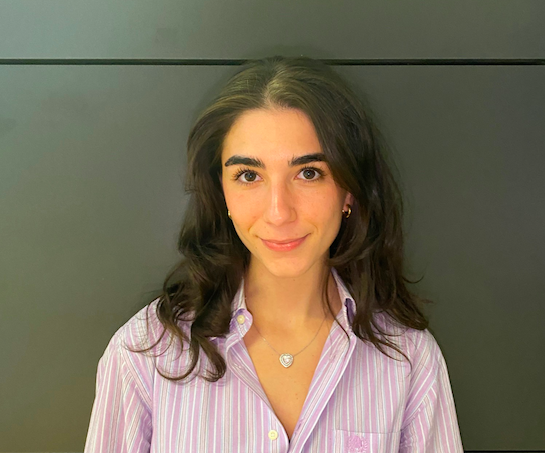
Greta Mazzocchi is a PhD candidate in Urban and Regional Development at the Polytechnic University of Turin. She has a multidisciplinary research background, alongside professional experience in the non-profit and third sectors. Her previous research focused on migration from Tunisia to Italy, where she conducted fieldwork on migratory government in the city of Sfax. Her current doctoral research investigates fire as a relational and transformative socio-ecological phenomenon. Based on ethnographic fieldwork in Brazil, her work examines how fire shapes conditions of mobility and immobility for both humans and Earth Others. A central strand of her research focuses on ecofeminist fire brigades, exploring forms of knowledge, relations between bodies and territories, and their critical political practice. During her PhD, she is affiliated with the Department of Anthropology at the University of São Paulo and has also carried out research activities in collaboration with the Chico Mendes Institute for Biodiversity Conservation (ICMBio). Her research engages with visual and participatory methodologies, including audiovisual practices, experimentation with short participatory documentary formats, and body mapping.

Lucia is a PhD student in Economics at the Vilfredo Pareto Doctoral Program (University of Turin and Collegio Carlo Alberto), with research focusing on Development Economics, including political and social challenges faced by developing countries. Particular attention is given to the socio-economic impacts of wildfires, such as their effects on health, occupation and migration, as part of the FIREPOL project.
Her previous Master’s degree in International Economics at HWR Berlin (Germany) was centered on macroeconomic studies, which laid the groundwork for her current focus on Development Economics. This shift brought attention to economic policy issues related to rural interest groups and community-level dynamics, which now form the core of her research.
Research interests also encompass child labor, social norms, and intergenerational dynamics. The approach is rooted in quantitative and spatial analysis, leveraging econometric tools and data-driven methodologies to provide robust insights into these complex socio-economic phenomena.

Angela graduated in Sociology at the University of Turin in 2022, where she has also been a research assistant researching how the COVID-19 pandemic has affected the youth labor market. At the same time, she has worked, and continues to work, as a Project Manager for a small non-profit organization that engages in theatrical training and the organization of cultural events.

Celia Wilson Garcia is a research associate, and her research involves exploring the nexus between wildfires and health of rural community members from a feminist political ecology of health framework. Stemming from an interdisciplinary background in biology, chemistry, and One Health, she is interested in connecting large-scale political interests and power relations, social institutions, and economic processes with human-environment interactions. By synthesizing biophysical processes, management systems, and diverse narratives, the research seeks to uncover the intricate dynamics between environmental conditions, social systems, and health outcomes. As part of FIREPOL, Celia is focusing on the interconnections and interdependencies between wildfire and health in the Okavango Delta in Angola and the Tonle Sap Lake region in Cambodia.

Anna Chirumbolo graduated in Ecological and Environmental Sciences (BSc Hons) from the University of Edinburgh in 2020. She worked as a data analyst and business consultant for a large corporation called Sopra Steria Spa and is currently finishing a MSc in Environmental Monitoring, Protection and Restoration at the University of Turin. Anna is part of FIREPOL as a research fellow doing quantitative analysis on fire and conflict in countries such as Bolivia and Angola.
Giulia Casalini is a Master student in Area and Global Studies for International Cooperation at the University of Turin and Honor Allievi at Collegio Carlo Alberto. During her master’s degree she is specializing in the geographical area of Latin America and embarking herself in a semester of study abroad at the Universidad Nacional de Villa María (UNVM) in Argentina. Her research focuses on social movements involved with the defense of the environment from wildfires in the province of Córdoba (Argentina) where she will conduct fieldwork and work with various collectives and local organizations.
Sofia Herbas is a Master’s student in Territorial, Urban, Environmental, and Landscape Planning at the Polytechnic of Turin. She is interested in studying socio-spatial dynamics in the Global South from a postcolonial/decolonial perspective. As a collaborator in FIREPOL, she is focusing on understanding the political dimensions of wildfires and exploring the colonial roots of fire management and land governance in the context of Bolivia.
PhD Candidate at the Department of Social Psychology and Quantitative Psychology – University of Barcelona
PhD Candidate at the PACTE Research Laboratory, Sciences Po Grenoble – Université Grenoble Alpes


Jean Grugel is Professor of Development Politics, University of York and Director of the Interdisciplinary Global Development Centre. Her research interests include global political economy, regional/global governance, human rights, global childhoods, children’s work, and care. She is a Co-I on Thanzi la Onse – Health for All and the York lead on Redressing the Gendered Health Inequalities of Displaced Women and Girls in Contexts of Protracted Crisis in Central and South America (ReGHID). Jean also leads IGDC project on Gender and Health Systems in Low and Middle Income Countries After COVID-19: the Promotion of Women’s Health and Emerging International Policy
Additionally, Jean is a member of the REF 2021 Sub-Panel 19, Politics and International Studies, the ESRC International Development Advisory Group, the Agencia per a la Qualitat del Sistema Universitari de Calalunya (Quality, Appointments and Promotions Organisation for Universities in Catalunya), and a member of the International Advisory Council of the Institut Barcelona Estudis Internacionals, University Pompeu Fabra, Barcelona. Jean is an Associate Fellow of the Institute of the Americas at UCL and has served as trustees on a number of NGOs.


Glynis Humphrey is a Postdoctoral Research Fellow at the African Climate and Development Initiative in the Towards Equitable and Sustainable Nature-based Solutions (TES MbS) project. Her current research project is centered on understanding the socio-economic benefits and constraints of Nature-Based Solutions in achieving social equity in southern Africa. Glynis core interests are in people (indigenous knowledge), biodiversity, climate, fire, ecosystem services, and the use of trans and inter-disciplinary research to address adaptive management and conservation policies.
Glynis’s postdoctoral project at the Plant Conservation Unit (UCT) involved investigating woody cover change in relation to climate, fire, and land use history in north-east Namibia using remote sensing, GIS and repeat photographs. Her PhD (2018) research focussed on the use inter-disciplinary methods to investigate the spatial and temporal fire regime patterns and knowledge exchange between rural livelihood sustainability and governance to address fire management policy in Namibia.

Helena Varkkey is an Associate Professor of Environmental Politics at the Department of International and Strategic Studies, Universiti Malaya. Her areas of expertise include transboundary haze governance in Southeast Asia and global palm oil politics. Her monograph on “The Haze Problem in Southeast Asia: Palm Oil and Politics” was published by Routledge in 2016. Her latest book is a collection of essays on the politics of haze and the environment in Southeast Asia called “The Forests for the Palms” published by ISEAS Singapore in 2021. Dr Helena has almost two decades of experience in qualitative research, including conducting fieldwork, interviews, and focus groups among various government and non-government stakeholders, and has built up extensive research networks in countries across ASEAN. She has edited and produced reports for the Academy of Sciences Malaysia, UNICEF, and the ASEAN Secretariat.

Chaya Vaddhanaphuti is a human geographer/environmental geographer interested in socioenvironmental issues from perspectives of political ecology, more-than-human geographies, the Anthropocene, and Science and Technology Studies (STS).His research interest is on cultures of weather, histories of Thai climate policy, environment justice and indigenous resource governance of Northern Thailand.
Chaya is currently engaged in research projects on pyro-aeropolitics of forest fire-haze pollution governance in northern Thailand, indigenous environmental guardians under threats of climate mitigation and adaptation discourses, and creative games and communication tools for transdisciplinary forest co-management.
Chaya earned his PhD in Human Geography in 2017 from King’s College London.
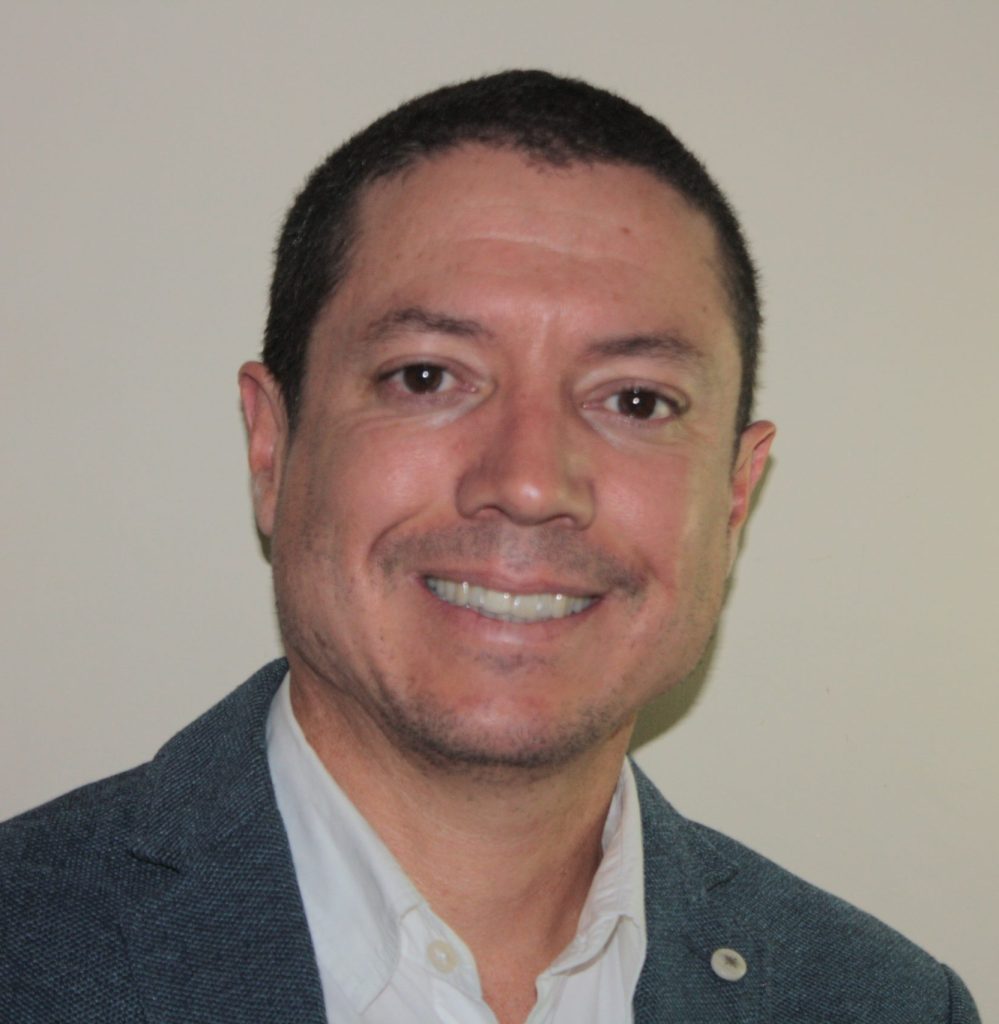
Daniel E. Moreno Morales is a Bolivian sociologist and political scientist. He works on issues such as democratic legitimacy, citizenship and environmental attitudes, mainly focusing on public opinion research as part of different Latin American networks. He is an associate researcher at Ciudadanía, Comunidad de Estudios Sociales y Acción Pública (www.ciudadaniabolivia.org) and founder and CEO at DATACCION SRL (www.dataccion.com). He is affiliated to trAndeS, Advanced Studies on Inequalities and Sustainable Development (FU Berlin – PUCP) and an invited professor in postgraduate programs at different Bolivian universities. National Representative in Bolivia for the World Association of Public Opinion Research and Principal Investigator in Bolivia for the World Values Survey. Has consulted for different international organizations, including UNDP, UNICEF, ILO, NORC and the Global Centre for Pluralism. Researcher in the Playing with Wildfire project. Member of different research networks in Latin America, including LASA, ALACIP and WAPOR LATAM.
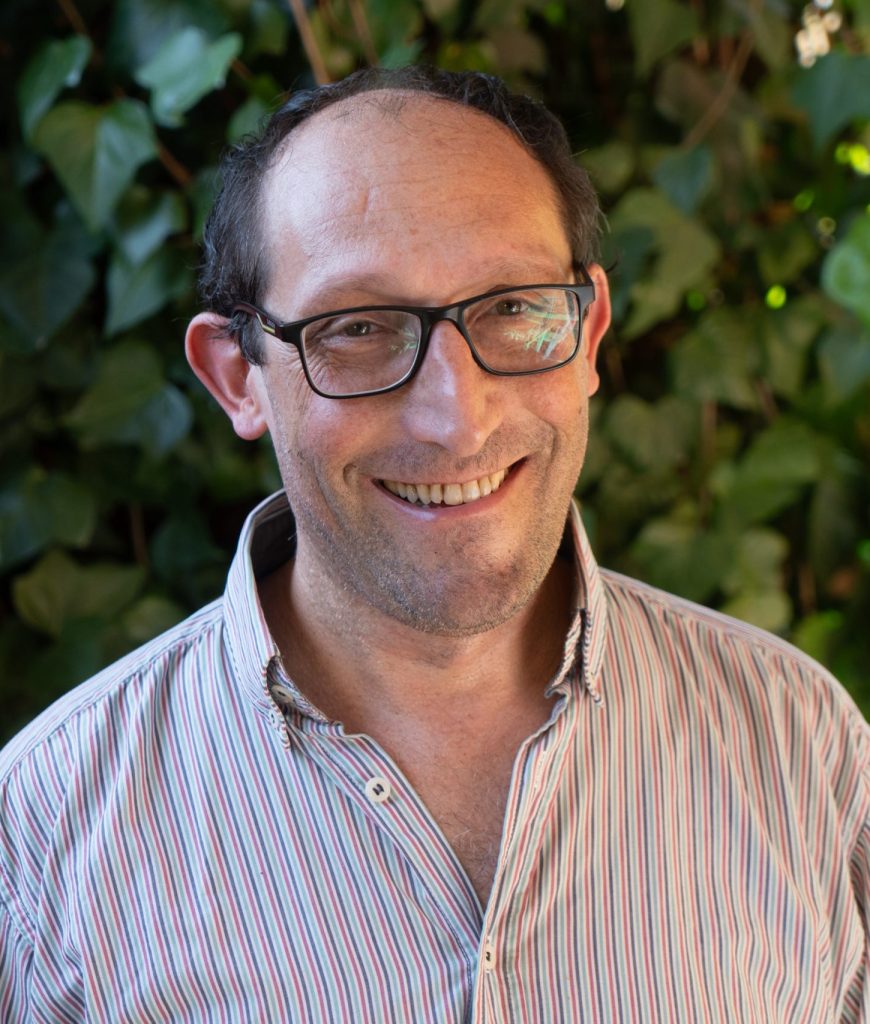

Wasana Sittirin is a development professional with over ten years of experience in environmental governance, wildfire management, natural resource policy, and sustainable development across Southeast Asia. She has worked with a range of international and regional institutions, including RECOFTC, the World Bank Group, the International Labour Organization (ILO), the ASEAN-IOM Migration Outlook team at the University of Technology Sydney, Terre des Hommes Germany, and the Mekong River Commission.
Her expertise spans project management, policy analysis, research coordination, and stakeholder engagement at local, national and regional levels. She has coordinated multi-country policy datasets on fire governance, led wildfire risk assessments and consultations with government agencies and communities, and contributed to studies on green jobs, just transition, and regional migration trends. Her experience also includes managing multi-year environmental programmes and contributing to evidence-based publications.
Wasana holds a Master of Science in Water Management, with a specialization in Water Conflict Management, from the UNESCO-IHE Institute for Water Education in the Netherlands. She has worked in multicultural environments across Asia and Southeast Asia and brings strong competencies in cross-sector collaboration, qualitative research, and programme delivery. Her work reflects a sustained commitment to inclusive development and to strengthening the link between community needs, scientific evidence, and policy implementation.
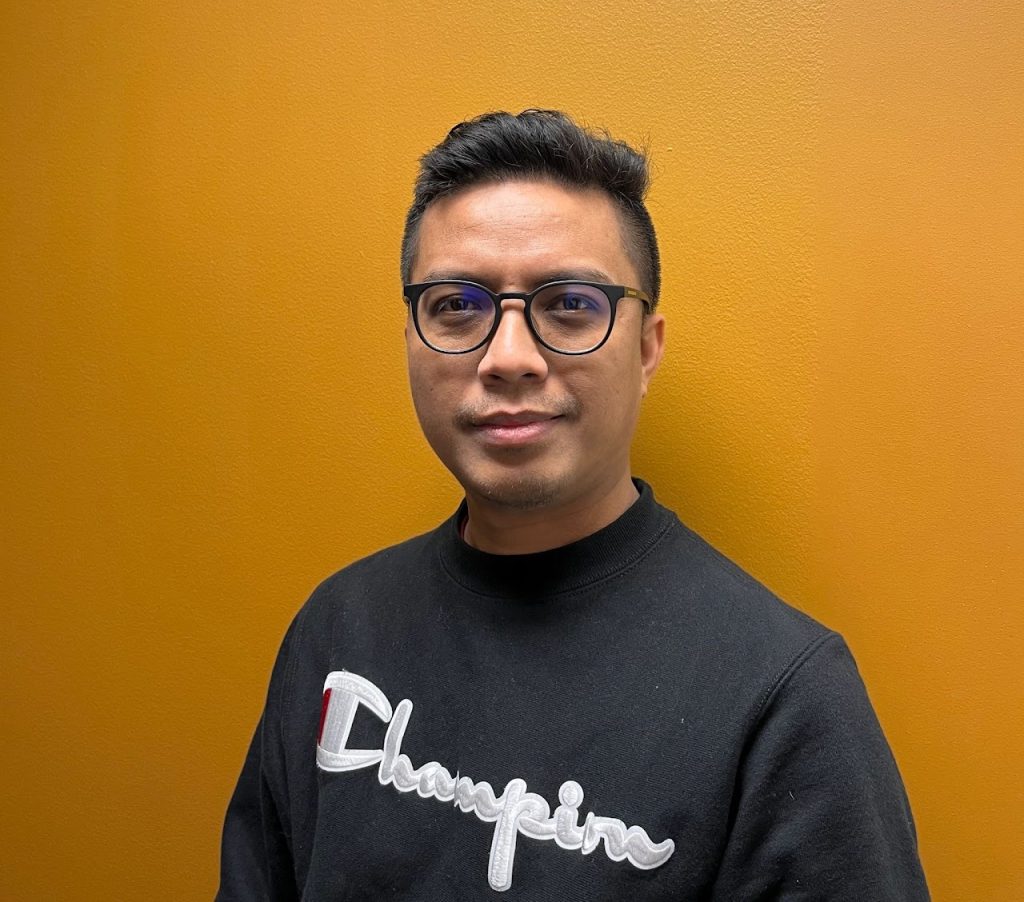
Sofyan Ansori is an Anthropologist interested in ethnographic research and teaching on anthropological themes and social science in a broader sense. Topics he is now engaging in are fire politics, political ecology, infrastructure, (environmental) care, and business/marketing ethnography. He is currently a Postdoctoral Fellow at the Institute for Advanced Research, Universitas IslamInternasional Indonesia. He is also the Principal Investigator of “Fire Play: Understanding and Documenting Indigenous
Fire Governance in Indonesia,” an interdisciplinary research project managed by Universitas Indonesia-Melbourne University funded by The Australia-Indonesia Knowledge Partnership.

Radu Uszkai is the ethics advisor for FIREPOL. He works as an assistant lecturer at the Department of Philosophy and Social Sciences (Bucharest University of Economic Studies) where he teaches Philosophy, Business Ethics and Academic Ethics. He is also a researcher at the Research Center in Applied Ethics, University of Bucharest (www.ccea.ro) where he is currently involved in the ERC Starting grant project avataResponsibility (“Avatar agency. Moral responsibility at the intersection of individual, collective, and artificial social entities in emergent avatar communities”). Radu got his PhD in Philosophy from the University of Bucharest in 2015, with a thesis on the ethics of copyright and digital piracy. His research is largely focused on applied ethics (mainly on new and emerging technologies), political philosophy and the philosophy of pop culture. His work was published in journals like Ethics and Information Technologies, Philosophy & Technology and Frontiers in Robotics and AI. His first book, dedicated to the ethics of copyright, will be published with the Bucharest University Press (2024, forthcoming).

Linda Basile is serving as data advisor for FIREPOL. She is a Research fellow in Political Science at the University of Siena and co-editor of the peer-reviewed journal European Political Science. She has expertise in social science research methods, with a focus on content analysis and survey research. Her main research areas include territorial politics, electoral politics, public opinion and party politics. She is currently the Research Unit leader for the PRIN 2022 Project UNVEIL (UNderstanding Vulnerability to Expand Insight on Local units) and participates in the EuComMeet project. Previously, she joined several European project, including EuEngage, and the the IMAJINE project, both funded by the European H2020 program. Working on several collaborative projects, she also gained significant experience in data management, open access, ethics, dissemination, and communication. Additionally, she is also member of the Itanes (Italian National Election Studies) Association, which promotes a research programme on voting behaviour in Italy.

Giovanni is Senior Lecturer at Lancaster University, UK. In his research Giovanni has been investigating how environmental change – in its planetary but uneven character, and entangled with a series of contemporary ‘crises’ and historical legacies – is generating new spaces, modes of governance, subjectivities and forms of resistance. He has published extensively on the links between climate change and human mobilities. Giovanni coordinates the Leverhulme Trust-funded project Digital Climate Futures: a decolonial and justice perspective on digitalised climate change adaptation, which explores the role of the digital in reshaping adaptation, resilience and justice. He also serves as Associate Director of CeMoRe (Centre for Mobilities Research).Giovanni is co-supervisor of the FIREPOL PhD candidate Greta Mazzocchi.

Alessandra Vannucci is a researcher, artist, and educator. In her essays and twelve books, she has focused on human and artistic journeys between Italy and Latin America, particularly the stories of migrant and refugee women. Since 2009, she has taught Directing and Creative Processes at the Federal University of Rio de Janeiro (UFRJ). In 2022, she was a visiting researcher at the Laboratory of Visual Sociology (LSV) at the University of Genoa; in 2023, she was a visiting scholar at the Institute for Latin American Studies (ILAS) at Columbia University. She has since returned to Italy and now teaches at the University of Turin.
She is a director and playwright. She has directed twenty-two theater productions, nine short films, and has written, translated, and adapted numerous texts for the stage. Alongside more conventional productions, she creates participatory processes and collective direction events, experimenting with the relationship between art and activism. She began her career in 1993 as an assistant to Augusto Boal, founder of the Theatre of the Oppressed. In 2009, together with Barbara Santos, she created the Theatre of the Oppressed Women, a methodology for combating gender-based violence that is now practiced by feminist and transfeminist groups worldwide.
Since 2014, she has directed the Laboratory of Aesthetics and Politics (LEP/UFRJ), a platform for Third Mission and participatory art projects, using theater, video, and photography. She has received numerous grants and awards. In 2019, she was awarded the Photography Research Grant from the Moreira Salles Institute (IMS/Rio). In 2022, she won the National Library Prize (FBN/Rio) for Best Translation.

RECOFTC is an international nonprofit organization based in Thailand working towards a future where resilient communities with respected rights thrive in forest landscapes that they manage sustainably and equitably. It takes a long-term, landscape-based and inclusive approach in supporting local communities to secure their land and resource rights, stop deforestation, find alternative livelihoods and foster gender equality.
The National University of Rafaela (UNRaf) is a public and tuition-free university located in the city of Rafaela. It is part of the university education system of the Argentine Republic. UNRaf became the third national university to be established in the province of Santa Fe.

The People in Nature & Climate (PiNC) Lab is a research group based at the African Climate & Development Initiative (ACDI) at the University of Cape Town (UCT). PiNC lab explores how to work with nature to promote human and ecosystem health, while supporting climate mitigation and adaptation actions that reduce climate risk in Africa.
The National Geographic Okavango Wilderness Project (NGOWP) is a key initiative of the Wild Bird Trust, in partnership with the National Geographic Society. Its mission is to explore and protect the Okavango River Basin, a vast and biodiverse ecosystem spanning Angola, Namibia, and Botswana. The project is dedicated to preserving this critical region, which supports the Okavango Delta, one of the largest freshwater wetlands in Southern Africa, and its rich diversity of wildlife. Through scientific research and collaboration with local communities and governments, the NGOWP aims to secure sustainable protection for this vital landscape.

Projecto Lisima is working closely with local communities, governments and conservation organizations to develop and implement sustainable conservation strategies that will safeguard the Source Lakes of the Okavango River basin for generations to come.
The Okavango Research Institute (ORI) of the University of Botswana is dedicated to the study of wetlands and adjacent drylands. The need for scientific information on the Okavango Delta ecosystem resulted in the Botswana Government establishing the ORI under the auspices of the University of Botswana in 1994. The vision of ORI is to be a leading wetlands and adjacent drylands research institute in Africa and the world by 2023 and beyond. The mission of ORI is to undertake engaged research and provide training and service on wetland and adjacent dryland eco-systems.

The University of Indonesia is an Indonesian public university located in Jakarta and Depok, West Java. It is one of the oldest tertiary-level educational institutions in Indonesia, and is generally considered one of the most prestigious universities in the country.

Borneo Art Play is a performing arts collective from Central Kalimantan focused on work for children, communities, and the environment. They present touring performances and workshops, from public spaces to villages, to create more accessible and meaningful arts experiences for communities.
